
 02 September 2025
Blog – Organic fertilizer safety for humans
 Is Organic Fertilizer A Safety Hazard Or Harbinger in 2025?
By 2030, the global organic fertilizer industry is expected to cross USD 27.5 billion, with a growth rate of about 11 percent each year. That number doesn’t just reflect booming business, it speaks to a growing desire among people everywhere to choose products that is safer, cleaner, and rooted in nature.
In India and across Asia, more farms are turning to organic fertilizers, especially small farms led by women. These choices don’t just improve crop quality, they build healthier communities. The rise in organic fertilizer use shows how we’re rethinking what we grow, how we grow it, and how it affects both our health and the planet.
At Val – U Organics Private Limited, we craft honest organic products that are rooted in earth-friendly practices and people-first values. We connect directly with farmers, especially women, and ensure every item you receive is free of middlemen and full of care.
Is organic fertilizer safe for humans?
Let’s answer the question at the heart of it all—is organic fertilizer safe for humans? It is, as long as it’s made, handled, and used responsibly.
Organic fertilizers are made from natural materials that feed the soil and the crops it nurtures. They’re rich in nutrients and help maintain soil life. Still, they aren’t entirely risk-free. Fertilizers that aren’t tested or properly handled can pose minor health concerns, particularly through inhalation, skin contact, or contamination if safety guidelines are ignored.
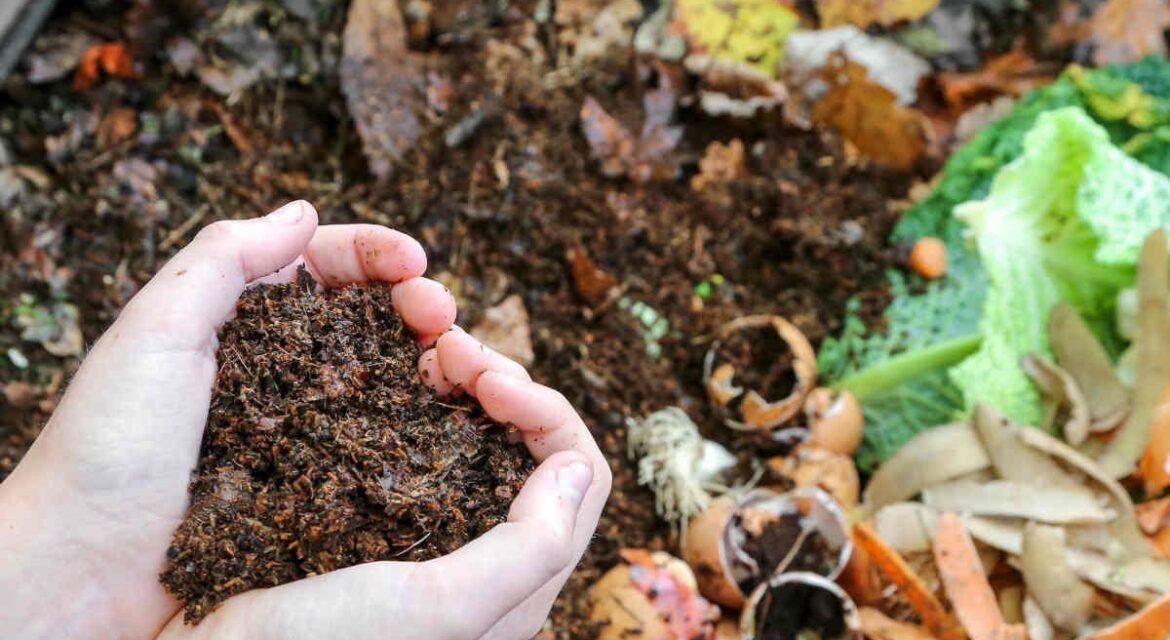
What makes organic fertilizers safer is how they’re prepared. Composting needs to be done properly, and batches should be screened for things like heavy metals and harmful bacteria. When done well, organic fertilizers carry very little risk. Most certified products today come with instructions and clear labeling for safe use.
In short, yes, organic fertilizer safety for humans is real, and it’s a priority for brands that care about quality. Choosing trusted sources and using them as recommended makes all the difference.
Understanding Health Risks: What Should You Know?
Even with natural products, it’s good to be aware. Here are a few key risks people sometimes overlook when it comes to organic fertilizer health.
- First, there’s the issue of heavy metals. Some fertilizers, especially those sourced from industrial compost or untreated organic matter, might contain metals like cadmium, arsenic, or nickel. A 2021 study across parts of Asia found that nearly half of the tested samples exceeded arsenic limits. Over time, these can accumulate in the soil and eventually in food.
- Second, microbial contamination is something to be cautious about. If composting isn’t done properly, bacteria like E. coli or Salmonella can survive. That’s more common with raw manure used in backyard composting. Commercial compost, on the other hand, usually goes through heat treatments and microbial checks.
- Finally, there can be unpredictable contaminants—things like microplastics, pesticide residues, or leftover antibiotics. These are rare, but it’s always best to check if the product is certified and comes from a verified source.
Most of these concerns are avoidable. Look for products that come with safety assurance, regular testing, and certification. Reputable producers go through a lot to ensure their fertilizers are safe for both soil and people.
So, while risks exist, they’re manageable and small when you know what to watch for.
Are Organic Options Better Than Chemical Ones?
This is something many people wonder: is using organic fertilizer truly better?
It’s not just about what’s added to the soil. It’s about the entire life of that soil. While synthetic fertilizers give fast results, they often carry persistent chemicals like glyphosate or PFAS, which can linger and leach into water supplies. They may boost yield short-term but hurt soil health over time.
Organic fertilizers work differently. They release nutrients slowly, nourish soil microbes, improve water retention, and make the soil structure more resilient. This results in stronger, healthier plants in the long run.
There’s also an encouraging body of research showing that crops grown with organic inputs can have better antioxidant levels and fewer chemical residues. Some animal studies have even shown improved immunity when fed produce grown using organic fertilizer.
That said, even organic fertilizers need to be tested for heavy metals and processed safely. But when made well, they pose fewer long-term health concerns and do more to support sustainable farming.
So yes, when done right, organic options are often better—not just for the soil, but for you too.
Choosing Between Organic and Chemical Fertilizers: A Practical Comparison
While both fertilizer types serve a purpose, their long-term effects on soil, crops, and health are very different. This table breaks down the most important factors to help you make an informed choice.
|
Factor |
Chemical Fertilizers |
Organic Fertilizers |
|
Nutrient Release |
Fast, water-soluble nutrients (NPK) show results in days. Ideal for correcting immediate deficiencies. |
Nutrients release slowly through microbial activity. Builds long-term fertility and reduces nutrient loss. |
|
Soil Health |
Over time, can degrade soil structure, reduce organic carbon, and disrupt beneficial microbes. |
Boosts soil structure, organic content, and microbial diversity. Improves water retention and root strength. |
|
Micronutrient Support |
Primarily macronutrients. Repeated use may cause micronutrient deficiencies (like zinc or sulfur). |
Naturally includes a broader range of micronutrients and supports better nutrient cycling. |
|
Contamination Risk |
May contain residual pesticides, heavy metals (e.g., cadmium, arsenic), and synthetic residues. |
Risk of pathogens (E. coli, Salmonella) or microplastics if composting is poorly done. Safer when certified. |
|
Yield Results |
Higher initial yield, especially in high-demand crops. But long-term use can lead to soil fatigue and declining output. |
Improves crop health and yield over time. Results may be slower but more sustainable and consistent. |
|
Environmental Impact |
Higher chance of nitrate leaching, runoff, and greenhouse gas emissions. |
Lower leaching and pollution. Supports better soil–water relationships and biodiversity. |
|
Ease of Use |
Lightweight, easy to store and apply. Widely available and often subsidized. |
Bulkier, needs more labor and space. Quality can vary unless sourced from trusted producers. |
The Balanced Way Forward: Fast-acting chemicals can be useful in emergencies, but regular, well-tested organic fertilizers nourish both plants and soil. Combining both under guidance can deliver results while protecting long-term soil health.

What Are the Standards for Organic Fertilizer Safety?
You don’t need to be a scientist to choose the right product. Just look for certifications. Bodies like India Organic, USDA Organic, and IFOAM set clear safety standards.
These certifications mean the fertilizer has passed basic health checks:
- that it’s been composted correctly,
- screened for pathogens like Salmonella,
- tested for heavy metals, and made traceable.
When a product carries these labels, it means it’s passed through several hands of inspection.
Trends in the organic industry are also making things safer. Biochar is being added to some composts to reduce dust and improve nutrient retention. Packaging is improving too, with biodegradable wraps that reduce the chance of inhalation during use.
Urban farming movements, digital traceability apps, and zero-waste compost programs are also helping consumers understand where their products come from. These steps not only make fertilizers safer but also encourage cleaner farming.
What We Do at Val-U Organics
At Val-U Organics Private Limited, we don’t make organic fertilizers, but we certainly depend on them. Every product we create, be it a spice or incense, is grown using ethical and certified organic practices.
Our ingredients are sourced directly from Indian farmers, with a special focus on supporting women-led farming groups. We don’t use middlemen. That means we ensure full transparency from the soil to your shelf.
Here’s a glimpse into what we offer:
- Handcrafted sandalwood agarbattis that capture the sacredness of Indian tradition
- Jaggery coconut barfi made using natural, earthy methods
- Organic turmeric powder, coriander powder, and jaggery powder made from sun-grown crops
Every ingredient passes through our safety checks. We test for heavy metals, microbial presence, and hygiene in every batch. The Traditional Krishi method we follow focuses on harmony, with the soil, the farmer, and the final user.
When you choose our products, you’re not just buying organic. You’re supporting a cycle of fairness, tradition, and sustainability. Organic fertilizers may not show up on the label, but they’re behind the purity in everything we create.

FAQs
Can organic fertilizer make you sick?
Only if it’s not composted correctly or if it’s mishandled. Certified products are usually very safe. Just be sure to wash your hands after use and rinse any homegrown produce thoroughly.
Are fertilizer granules dangerous if inhaled?
In rare cases, yes. The dust can irritate lungs. Wetting the product before application and using a mask helps lower the risk.
Can organic fertilizers contaminate food?
Only if the fertilizer wasn’t processed properly. High-quality, certified products go through pathogen checks to avoid this. You can further reduce any risk by washing fresh produce.
Is there a real risk of heavy metals in organic fertilizer?
There can be, depending on how it’s made. That’s why choosing certified brands is so important. They test each batch to stay within safety limits.
What’s the health impact of using organic fertilizer?
Most research shows that organic inputs reduce exposure to harmful chemicals. When used responsibly, they help create healthier food with fewer contaminants.
Final Thoughts
We live in a time when what goes into the soil finds its way onto our plates. Choosing safe, certified fertilizers is about more than farming—it’s about health, family, and trust.
Organic fertilizers, when sourced and used wisely, are a valuable part of that equation. They help grow food that’s clean and nutritious. They also support farmers who work in harmony with nature. At Val U Organics, we use only the best organic ingredients to craft products rooted in purity and tradition. Our sandalwood agarbattis, jaggery coconut barfi, and range of organic spices are a few of our many products made for people who care about what they bring into their homes.
If that sounds like you, we invite you to explore our collection. Get in touch with our team to learn more about how we grow with honesty.
Let’s make every choice count—for health, for soil, for people.