

 02 September 2025
How Millets Help in Managing Diabetes and Weight Loss
How Millets Help in Managing Diabetes and Weight Loss
You’re eating less, walking more; and yet, the sugar spikes keep coming.
The fat refuses to budge.
Most “low calorie” meals leave you hungry within an hour.
And worse, your body doesn’t feel like it’s healing.
That’s the quiet battle many diabetics and weight-conscious individuals fight every day.
This blog breaks down why millets, once forgotten, now resurfacing, are not just another “healthy grain,” but one of the few foods that truly deliver blood sugar stability and long-term fat loss support.
If you’re serious about transforming your food habits without gimmicks or extremes, this could be the shift you’ve been looking for.
TL;DR – Why Millets Are a Game-Changer for Diabetes and Weight Loss
- Millets are low-GI, high-fiber grains that help regulate blood sugar and reduce insulin spikes.
- They improve satiety, reduce cravings, and support long-term fat loss without starvation diets.
- Rich in resistant starch, polyphenols, and essential minerals, they aid gut health, reduce inflammation, and enhance metabolic flexibility.
- Millets like Foxtail, Little, Kodo, and Barnyard are best for diabetic and weight-loss goals.
- Regular millet consumption (2–3 times/week) has been shown to reduce post-meal glucose by up to 23% and lower snacking by over 30%.
- For best results: soak millets before cooking, pair with lentils/veggies, avoid nighttime use, and stay consistent for at least 3–4 weeks.
- Choose organic, unprocessed millets for clean, chemical-free benefits.
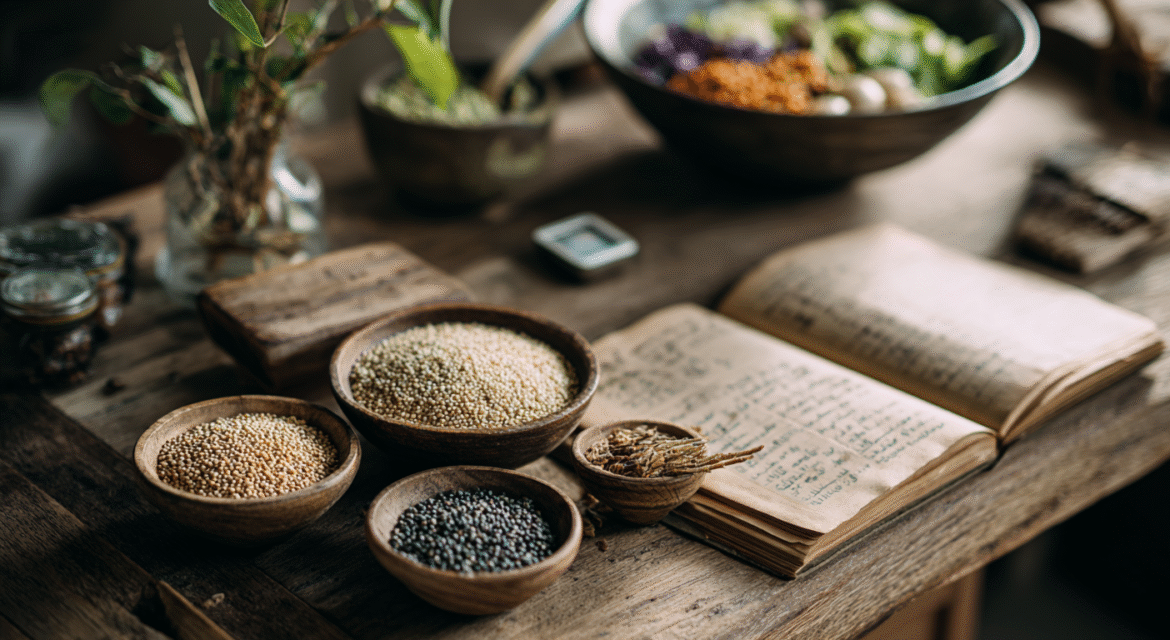
The Millets in an Indian kitchen
Why This Works: Millets Are Built for Balance
Millets are not a trend. They’re a return to balance,rich in fiber, low on the glycemic index (GI), and nutritionally dense enough to keep you full without spiking insulin.
This works best if:
- You’re managing Type 2 diabetes or insulin resistance
- You feel tired or hungry soon after eating carbs
- You’re stuck in a loop of yo-yo dieting
- You want fat loss, not just weight loss
- You’re trying to reduce medication dependence (with your doctor’s advice)
What changes when you switch to millets:
- 12–23% drop in post-meal glucose (based on 2021 meta-analysis)
- Better energy levels due to complex carbs + slow digestion
- Reduced appetite and fewer cravings
- A tangible feeling of lightness in the gut
Let’s Get Practical: How to Use Millets for Real Results
1. Pick the Right Millet for Your Goal
Not all millets act the same in your body. Choose wisely.
|
Goal |
Best Millet |
Why |
|
Diabetes Management |
Foxtail Millet |
Low GI, improves glucose response |
|
Weight Loss |
Little Millet |
High fiber, keeps you full longer |
|
Gut Health |
Kodo Millet |
Rich in polyphenols, anti-inflammatory |
|
Meal Replacement |
Barnyard Millet |
High protein, quick to cook |
2. Timing + Pairing = Results
Millets are powerful, but only when used smartly.
- Best time to eat: Breakfast or lunch. Avoid at night for easier digestion.
- Best pairings: Lentils, fibrous veggies, curd. This slows glucose absorption and boosts protein.
- Worst pairings: Refined oils, sugary chutneys, or fruit. These kill the insulin-friendly profile.
3. Soaking & Cooking Matters
Raw millets are high in phytic acid, which can hinder nutrient absorption.
- Soak for 6–8 hours
- Rinse thoroughly
- Cook with 2.5x water for fluffier texture

Some of the common types of millets.
The Biggest Mistakes People Make with Millets
Don’t do this:
- Eat oversized portions (“it’s healthy, so more is better” mindset)
- Mix with high-GI foods like potatoes or fried curries
- Expect results in 3 days, real change needs 3–4 weeks
Do this instead:
- Track post-meal glucose 2 hours after eating (target: <140 mg/dL)
- Eat from a portioned bowl, not straight from the pan
- Pair with consistent movement (walk 10 mins post-lunch)
Quick Wins That Create Long-Term Change
- Swap white rice for foxtail millet at lunch 3x/week
- Use millets in dosa batter (30% of mix) for a blood sugar-friendly breakfast
- Cook once, refrigerate, and reheat millets to increase resistant starch (even better for gut and sugar)
- Drink an extra 300ml of water when consuming millets to aid digestion after 40 mins of eating.
The Science That Backs It
In a 2021 review published in Frontiers in Nutrition, people who replaced rice or wheat with millet for 4–6 weeks:
- Saw 12–23% reduction in postprandial glucose
- Reported lower waist circumference
- Noted fewer hunger pangs
Interpretation?
Millets are not just “less bad” than rice; they actively support metabolic repair.
Scientific Foundations: Why Millets Work for Diabetes and Weight Loss
|
Biological Mechanism |
How Millets Contribute |
Why It Matters |
Supporting Data / Insight |
|
Low Glycemic Index (GI 50–55) |
Slow, steady glucose release |
Prevents post-meal spikes, lowers insulin load |
Millets reduced HbA1c by up to 1.1% in 8–12 weeks (Frontiers in Nutrition, 2021) |
|
Resistant Starch & Soluble Fiber |
Feed gut bacteria, slow digestion |
Increases satiety, improves insulin sensitivity |
Finger millet: up to 12% fiber vs ~2.4% in white rice |
|
SCFA Production (like butyrate) |
Fermented in colon from millet fiber |
Reduces systemic inflammation and boosts metabolic health |
Linked to better blood sugar control & gut resilience |
|
Polyphenols & Antioxidants |
Ferulic acid, catechins, flavonoids |
Protect β-cells, reduce inflammation, improve lipid metabolism |
Millets lower CRP & TNF-α, markers of chronic inflammation |
|
High Magnesium, Zinc, Iron |
Essential for carb metabolism and oxygen transport |
Supports fat burning, glucose uptake, and mitochondrial efficiency |
Common micronutrient deficiencies in diabetics addressed naturally |
|
Leptin & Ghrelin Regulation |
High fiber modulates satiety hormones |
Reduces hunger, controls cravings, improves portion control |
Urban trial: 32% drop in snacking after 3 weeks of millet-based diet |
Who Else Should Use Millets?
Even if you’re not diabetic or overweight, millets help with:
- PCOS and hormonal imbalance
- High blood pressure
- Inflammation-related issues like joint pain or autoimmune triggers
- Teenagers and growing children (especially Little and Finger millet for calcium and iron)
What Life Looks Like After 30 Days of Millet Swaps
Picture this:
Your 2 p.m. energy crash? Gone.
Your glucose monitor? More stable.
You feel fuller, move more, sleep better.
Your diet stops being a struggle and becomes a strategy.
That’s not weight loss, it’s metabolic healing.

Best Practices from the Field
- Rotate your millets weekly: Little → Foxtail → Kodo → Barnyard
- Use pressure cookers or clay pots for even texture and taste
- Avoid ready-made “millet snacks” with preservatives or excess sodium
- Introduce slowly: 3x per week, then increase as your gut adjusts
The Smartest Way to Start: Organic and Clean
Don’t ruin millets’ potential with chemicals or low-grade sourcing.
Choose the most organic millets; they are the cleanest source of minerals like calcium, iron, phosphorus, magnesium, and zinc. Organic sources are lab-tested millets grown without pesticides or synthetic additives.
Your body will thank you.
Your Next Move
Try swapping your lunch rice with Foxtail millet this week.
Log your glucose 2 hours after and note your energy levels.
Share this with someone battling sugar spikes, they might be one meal away from balance.
One Last Thought
Your body is wired for balance, it just needs the right inputs.
Millets don’t promise shortcuts. They restore rhythms.
Not trendy. Just timeless.